When you think of biotech innovation, desert landscapes may not be the first image that comes to mind. Yet in the UAE, the desert has become a surprising stage for one of the world’s most ambitious cloning programs. This blog explores how the UAE is turning its environmental and cultural uniqueness into a powerful asset for scientific advancement, particularly in the field of camel cloning.
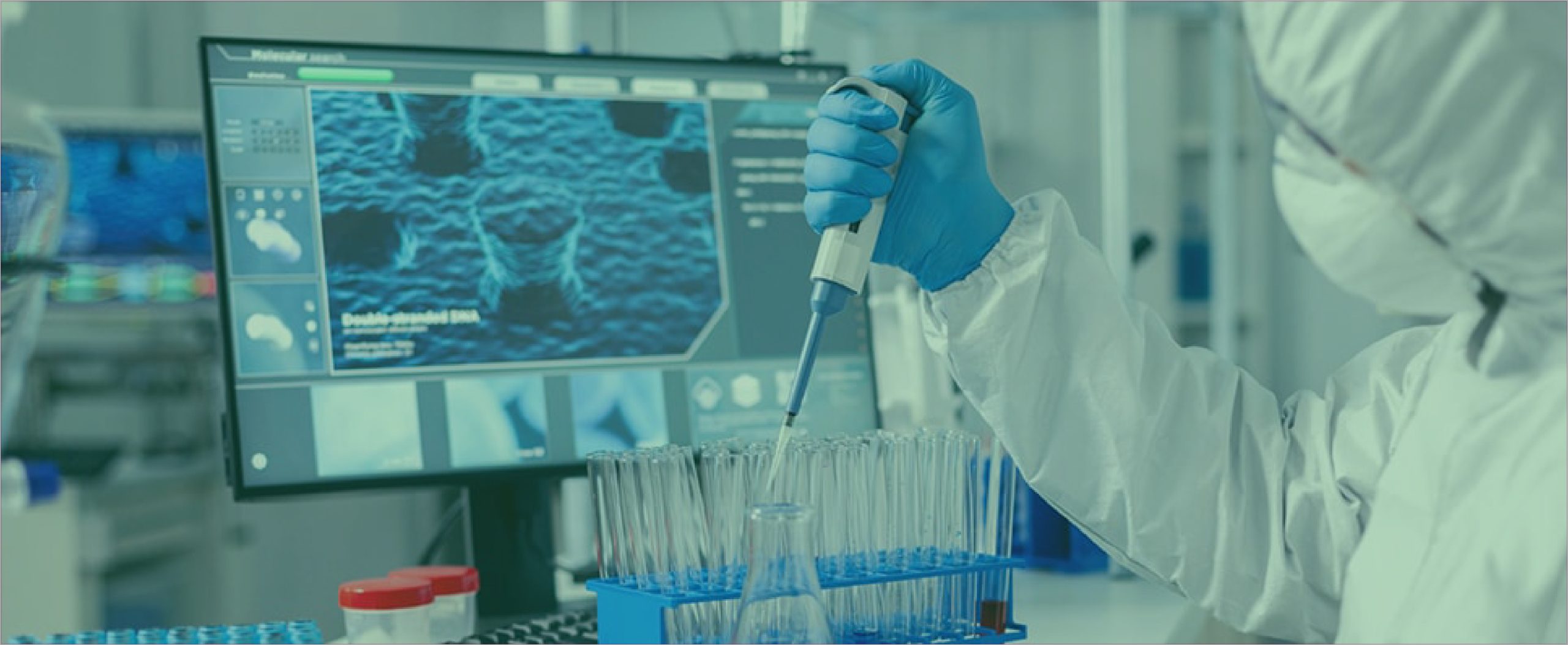
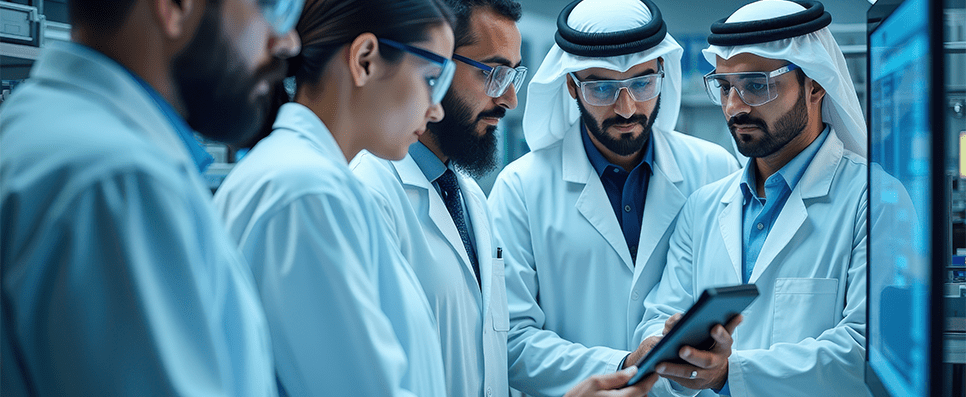
At the core of this movement are world-class facilities like the Reproductive Biotechnology Center in Dubai, where scientists conduct advanced research in cloning and reproductive engineering. These labs are equipped with state-of-the-art technology that rivals top-tier biotech institutions around the world.
But it’s not just about the tools—it’s about the vision. The UAE’s leadership sees biotechnology as a key pillar of future growth and sustainability. Camel cloning plays a central role in this vision, aligning with national goals to preserve heritage, enhance food security, and reduce dependence on imported breeding stock.
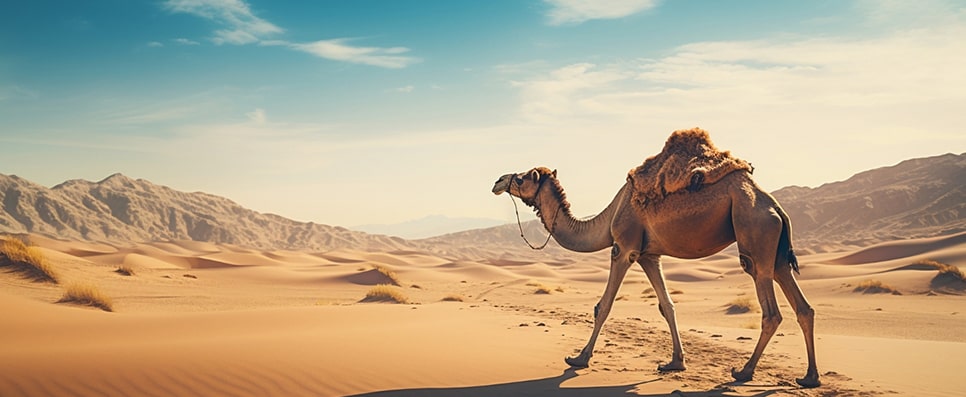
The desert itself provides a compelling backdrop. Camels are perfectly adapted to this harsh environment, and their cloning serves both scientific and cultural interests. The UAE is uniquely positioned to lead in this area because of its deep-rooted connection to camels and its willingness to invest in cutting-edge science.
This blog paints a vivid picture of how tradition, environment, and innovation converge in the UAE’s biotech frontier. It’s a story not just of what the country is doing today, but what it’s building for tomorrow—a knowledge-based economy where science thrives even in the most unexpected places.